Fireplace Repair in Portland, OR
Cracked firebrick, crumbling mortar joints, and a damper that won't seal are how fireplace trouble starts. We repair fireboxes, dampers, and hearths across Portland and the Portland metro.
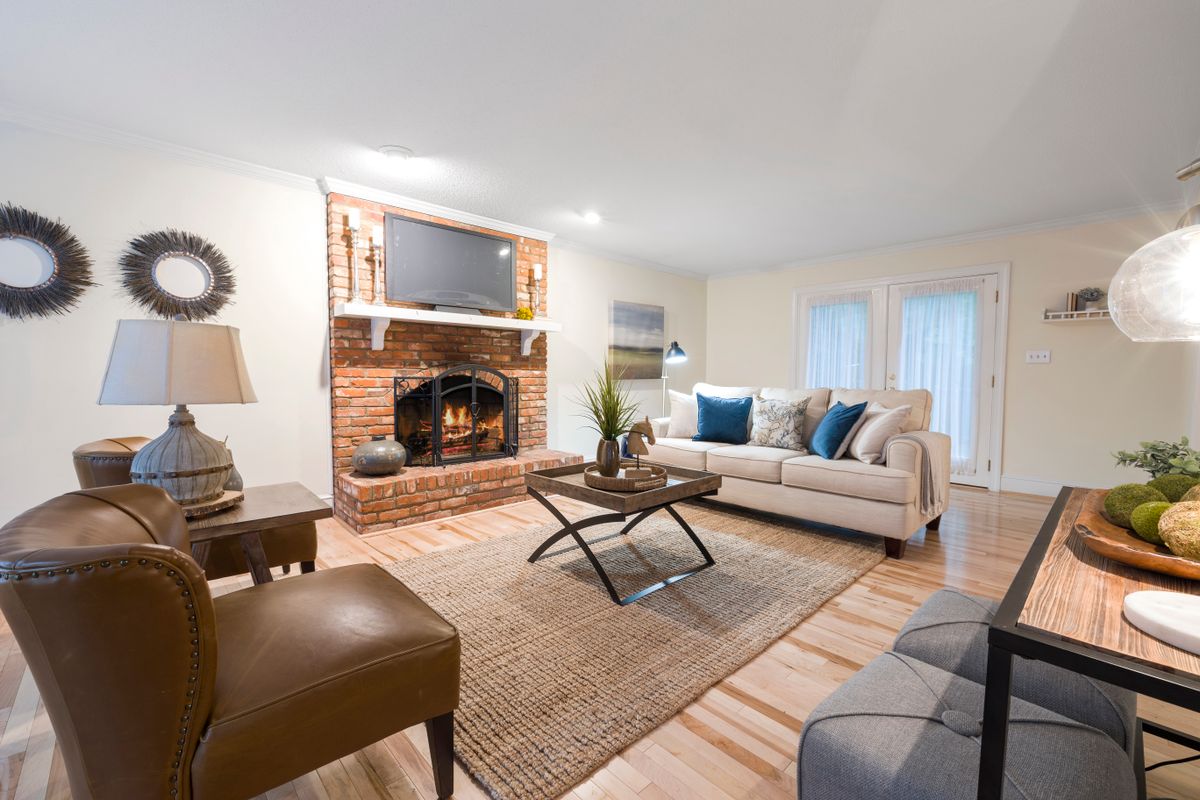
Signs Your Firebox Needs Work
The firebox takes more abuse than any other part of your fireplace. Every fire heats it past a thousand degrees, then it cools back down — and that constant expansion and contraction slowly opens up cracks and joints. Take a flashlight and look for these:
- Cracked, chipped, or flaking firebrick
- Mortar joints that are crumbling, receding, or turning to sand
- Visible gaps between bricks, or loose bricks that shift when pushed
- Heavy smoke staining above the fireplace opening
- A damper that sticks, grinds, or won't close all the way
- Rust on the damper or at the back of the firebox
Any one of these is worth a professional look. A fireplace inspection tells you exactly what's wearing out and what it will take to fix — before you light another fire on top of it.
Why Gaps in Firebrick Are a Fire Hazard
Firebrick and refractory mortar exist for one reason: they're the only materials in your fireplace rated to sit directly against flame. Behind that lining is ordinary masonry, and behind that — in most homes — is wood framing that was never meant to see serious heat.
When a mortar joint crumbles or a brick cracks through, heat gets a direct path past the lining. Do that fire after fire, winter after winter, and the materials behind the firebox slowly bake until they can ignite at temperatures far lower than an open flame. That's why a gap that looks cosmetic is treated as a real hazard in this trade: the damage it causes is invisible until it isn't.
The fix is straightforward when it's caught early. Repointing joints and swapping a few bricks is a small job; waiting until the firebox fails is not.
Damper Repair
A damper that won't close is an open hole in your house. All winter it pulls heated air up the flue, and in a Portland metro wet season it lets rain and cold drafts straight down into the firebox — which is where a lot of the rust and staining we find actually comes from.
We free up stuck dampers, replace warped or rusted-out plates, and when a throat damper is past saving, we'll walk you through the replacement options and what each costs before any work starts. If water is getting in from above the damper, that's usually a cap or crown problem — we handle that too under chimney repair.
Refractory Mortar and Firebrick Work
Firebox repairs only hold if they're done with the right materials. Regular masonry mortar isn't rated for firebox temperatures — it cracks and falls out, sometimes within a season. We see this constantly on fireboxes that were patched by a handyman or a previous owner.
We repoint joints with proper refractory mortar, replace cracked or spalled firebrick with matching brick, and rebuild fireboxes that are too far gone for spot repairs. We work on every type of system: masonry fireplaces, prefab units, wood stoves, and fireplace inserts.
Straight Answers, Solid Repairs
We've spent 26+ years working on fireplaces and chimneys, and we back qualifying repairs with a written quote before any work. Homeowners have given us 500+ customer reviews and a 5.0 rating on Google, and we think it's because we tell people what actually needs fixing — nothing more.
Estimates are free, and we answer the phone 8am to 10pm Sunday to Thursday. We come to you anywhere in Portland, Vancouver, Beaverton, Hillsboro, Lake Oswego, Woodburn, Gresham, Tigard, Milwaukie, Camas, Tualatin, or West Linn. Call (503) 758-1555 — and if it's been a while since your last cleaning, ask about our $199 sweep, inspection and written report while we're there.
FAQs
Can I still use my fireplace if the firebrick is cracked?
A tight hairline crack in one brick usually isn't an emergency, but open gaps, missing mortar, or loose bricks mean you should stop burning until it's looked at. Heat escaping through those gaps reaches materials behind the firebox that were never built to handle it. An inspection will tell you whether it's safe to keep using while you schedule the repair.
Why does my damper not close all the way?
Most often it's rust and debris on the hinge and seat, or a plate that's warped from years of heat. Sometimes it just needs cleaning and adjustment; a badly warped or rusted-through damper needs replacement. Either way, a damper stuck open is costing you heated air every day it stays that way.
What is refractory mortar, and why can't regular mortar be used?
Refractory mortar is formulated to handle direct flame and firebox temperatures without breaking down. Standard masonry mortar isn't — it cracks and crumbles under that heat, often within a single burning season. If your firebox was patched with the wrong material, the repair fails and the gap comes back.
Do I need a repair or a full firebox rebuild?
Most fireboxes we see just need repointing and a handful of replacement bricks, which is a much smaller job. A rebuild only makes sense when the brick is failing throughout or the structure behind it is compromised. We give you a free, honest assessment either way — including whether the problem is in the firebox at all, or coming from higher up the chimney.