Animal or Bad Smell in the Chimney in Portland, OR
Scratching above the damper and a chimney smell that gets worse in damp weather usually trace back to the same thing: an open, uncapped flue. Here is what to do — and what not to do — before we get there.
Scratching, Chirping, or a Smell You Can't Place
Two calls we get all the time around Portland sound different but usually start the same way. Scratching, flapping, or chirping above the damper almost always means birds, squirrels, or a raccoon got into an open flue. A musty, smoky, or sour smell — strongest on humid days or after rain — usually points to creosote, wet soot, or nest debris sitting in the chimney.
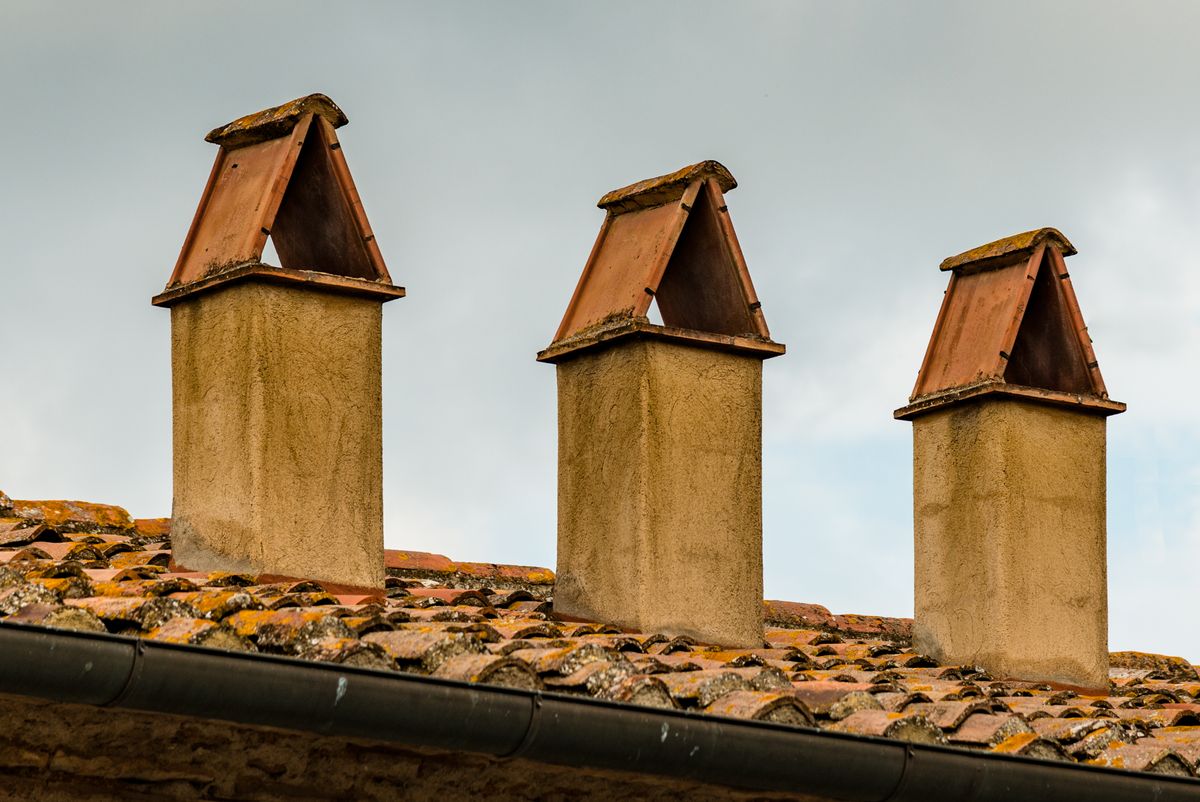
Both problems come from the top of the chimney being open to the weather and to wildlife. The lasting fix is the same in the end: clear the flue, sweep it clean, and cap it so it cannot happen again.
If Something Is Alive in the Flue
Do not light a fire to smoke the animal out. A panicked animal is as likely to bolt down into your living room as up the flue, dry nest material above the damper can ignite, and a blocked flue pushes smoke and carbon monoxide back into the house. Do not reach into the flue either — you cannot see what you are grabbing, and squirrels and raccoons bite.
- Keep the damper closed so the animal stays out of the house
- Close the glass doors if your fireplace has them
- No fires, no burning paper, no smoking it out
- Call us — we assess what is in there before anything is removed
Timing matters more than most people expect. Chimney swifts, common in Portland metro chimneys in late spring and summer, are federally protected while nesting — an active nest cannot legally be removed until the birds leave on their own. We look first, tell you exactly what you have, and lay out the safe, legal way to handle it.
Why Chimneys Smell Worse in Oregon Weather
Creosote — the tar-like residue wood fires leave behind — soaks up moisture, and damp creosote puts off a strong, smoky, sour odor. An uncapped flue in Portland takes on rain most of the year, so soot and creosote sit wet for months, and warm humid days pull that smell down into the house.
Nest material and droppings add their own odor, and a dead animal in a flue is unmistakable. If the smell spikes right after rain, water is likely getting in somewhere it should not — that is worth a look at the same time, since ongoing moisture points toward a chimney leak rather than just a dirty flue.
The Permanent Fix: Clear, Sweep, Cap
Once the flue is clear, a full chimney sweep removes the creosote, soot, and nest debris that hold the smell. Our $199 sweep, inspection and report package covers a full mechanical sweep of the flue, smoke chamber, and firebox, with drop cloths and dust control, plus a visual check of what we can see along the way.
Then a properly sized chimney cap with mesh screening goes on top. That one piece of hardware keeps animals, rain, and debris out for good — it is the reason this problem does not come back. If the animal or the water has been in there a while, a chimney inspection will tell you whether anything else needs attention before your next fire.
Serving Portland and Portland and the Mid-Portland metro
Green Chimney & Air Duct Pros is a local service-area company with more than 20 years of chimney experience and 500+ customer reviews and a 5.0 rating on Google. We work on all chimney types — masonry, prefab, wood stoves, and fireplace inserts — across Portland, Vancouver WA, Beaverton, Hillsboro, Lake Oswego, Tigard, Gresham, Milwaukie, Oregon City, Happy Valley, Camas, Tualatin, West Linn, Sherwood, Wilsonville, Troutdale, Forest Grove, Newberg, Canby, Sandy, Washougal, Battle Ground, Ridgefield, Woodburn and Salem.
We answer the phone 8am to 10pm Sunday to Thursday, and estimates are free and in writing before any work starts. If you hear something in the flue or the fireplace smell is taking over the room, call (503) 758-1555.
FAQs
Can I light a fire to drive the animal out of my chimney?
No. A panicked animal can run down into the house instead of up, nest material above the damper can catch fire, and a blocked flue will push smoke and carbon monoxide into the room. Keep the damper closed and call us instead.
Why does my fireplace smell worse when it rains?
Creosote absorbs moisture, and damp creosote gives off a strong smoky-sour odor. Rain falling down an uncapped flue keeps the soot wet, and humid air pushes the smell into the house. A thorough sweep plus a cap with mesh solves most odor complaints.
What if the birds in my chimney are chimney swifts?
Chimney swifts are federally protected while nesting, so an active nest cannot legally be removed. We confirm what is actually in the flue first, and if it is swifts, we schedule the clearing, sweep, and cap for after the birds leave on their own.
Will a chimney cap really stop this from happening again?
Yes. A properly sized cap with mesh screening blocks birds, squirrels, and raccoons and keeps rain out of the flue at the same time. We install it after the flue is cleared and swept, so nothing is sealed in.