Oregon Chimney Safety Checklist for Homeowners
A healthy chimney is a boring chimney — no smoke in the room, no smells, no surprises. Here is the checklist we would hand any homeowner in Portland or the Portland metro, drawn from 20-plus years in the trade.
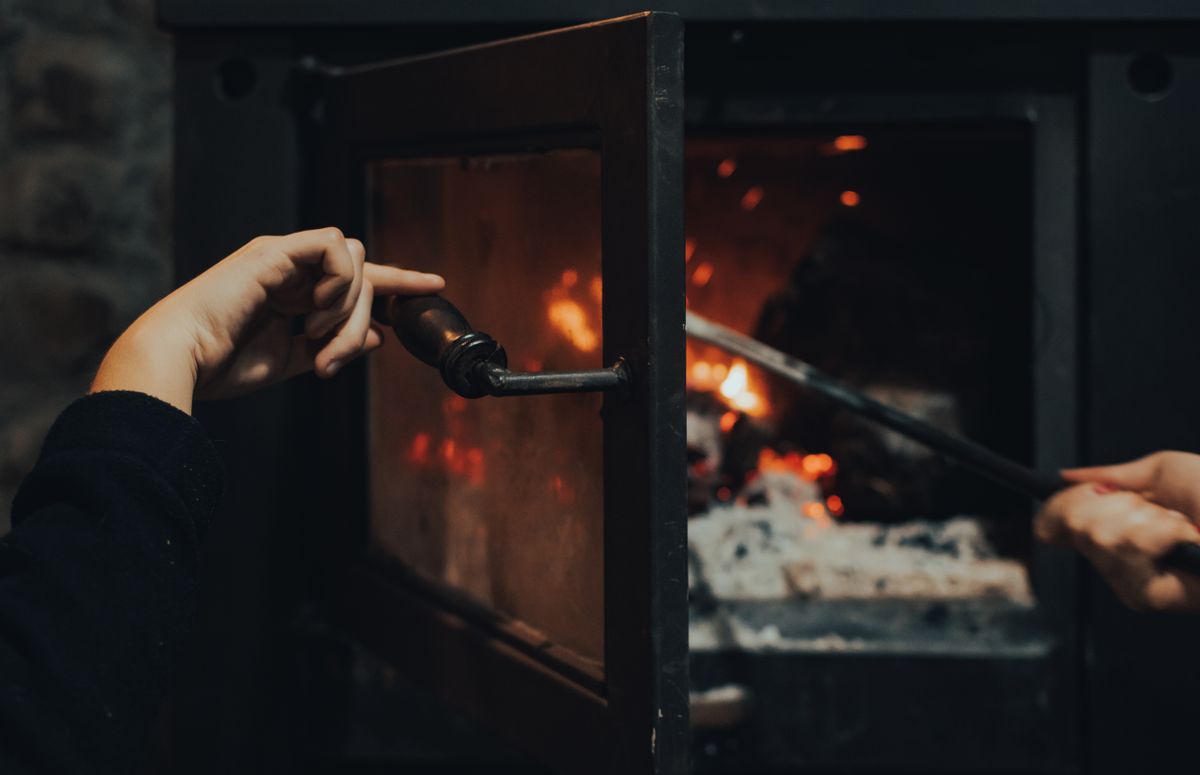
Once a Year, No Exceptions: Sweep and Inspection
Book a professional chimney sweep every year, ideally before the fall burning season starts. Every fire lays down creosote inside the flue, and creosote is the fuel in most chimney fires — a clean flue has nothing in it to burn.
Pair the sweep with a chimney inspection so someone actually looks at the liner, crown, and cap instead of just brushing and leaving. Our $199 sweep, inspection and written report covers a full mechanical sweep of the flue, smoke chamber, and firebox, with drop cloths, dust control, and a visual check included.
Burn Only Seasoned, Dry Wood
Wet wood burns cool and smoky, and cool smoke condenses into creosote far faster than a hot, clean burn does. In the Portland metro, wood stacked uncovered through one wet winter is rain-soaked to the core, no matter how long ago it was cut.
- Split and stacked off the ground — air has to reach the wood for it to dry, and ground contact keeps the bottom rows wet year-round.
- Covered on top, open on the sides — a tarp over the whole stack traps Oregon moisture in instead of keeping it out.
- Dried six to twelve months — look for cracked, gray ends and a hollow knock when two pieces hit; a hiss or sizzle in the fire means the wood is still wet.
Warning Signs That Mean Stop Burning and Call
None of these fix themselves, and every one of them is cheaper to handle early. If you spot any of the following, stop using the fireplace and have it looked at.
- Smoke backing into the room — the flue is blocked, undersized, or drafting wrong, and every fire is putting combustion gases into your house.
- A smoky or tarry smell, especially in damp weather — that odor is creosote in the flue, and enough creosote to smell is enough to burn.
- Dark staining on the chimney exterior or the wall around the fireplace — smoke or moisture is escaping somewhere it should not be.
- Spalling brick — faces flaking or popping off the masonry — water has gotten into the brick and freeze-thaw cycles are breaking it apart from the inside.
- Sandy grit or mortar crumbs in the firebox — the joints or liner are deteriorating and dropping material, which means the fire barrier is thinning.
Most of these point to water or liner problems that a targeted chimney repair can stop before they turn structural. Catching spalling early is the difference between repointing some joints and rebuilding a chimney.
Habits That Keep the House Safe
The rest of the checklist is habits and hardware, and none of it is expensive.
- Keep a mesh-sided cap on the flue — a proper chimney cap keeps Oregon rain out of the liner and keeps birds and squirrels from nesting in it, and the mesh stops hot embers from landing on the roof.
- Working smoke and CO alarms on every level — carbon monoxide is odorless, and an alarm is the only warning you get if a flue blocks or a fire smolders wrong.
- Three feet of clearance around the hearth — rugs, kindling baskets, and furniture inside that line are fuel sitting next to an open flame.
- Never leave a fire smoldering overnight in a flue that has not been swept — a slow, cool overnight burn is exactly the condition that loads creosote fastest, in the flue most likely to ignite it.
If You Ever Have a Chimney Fire
A chimney fire often sounds like a low roar or freight-train rumble in the wall, sometimes with flames or dense smoke at the top of the stack. If that happens: get everyone out of the house first, then call 911 from outside. Do not stay inside trying to put it out yourself.
Even if the fire seems to burn out on its own, do not light another fire until the whole system has been inspected. A chimney fire can crack flue tiles and open gaps you cannot see from the hearth, and the next fire can reach the framing through those cracks. We answer the phone 8am to 10pm Sunday to Thursday at (503) 758-1555, and estimates on any repair work are free and in writing before we start.
FAQs
How often does a chimney really need sweeping in the Portland metro?
Once a year at minimum, and more often if you burn most days through the winter. Our $199 sweep, inspection and report package covers a full mechanical sweep of the flue, smoke chamber, and firebox with drop cloths and dust control, so the annual visit is not a big-ticket item.
What counts as seasoned firewood?
Wood that was split, stacked off the ground, covered on top, and left to dry for six to twelve months. Ready wood has gray, cracked ends and makes a hollow knock when two pieces hit — if it hisses in the fire, it is still wet.
I smell smoke from the fireplace even when it is not burning. Is that a problem?
That smell is creosote in the flue being pushed into the room by downdrafts, and it is usually strongest in damp weather. It is a sign the flue is overdue for a sweep, and worth an inspection to check the draft while we are there.
We had a small chimney fire that went out on its own. Can we keep using the fireplace?
No — not until the system has been inspected top to bottom. Even a brief chimney fire can crack flue tiles and open hidden gaps that let the next fire reach the wood framing. Call us at (503) 758-1555 any time, day or night, and we will tell you in writing what it needs before any work starts.