How Often Should a Chimney Be Swept?
The short answer: inspect once a year, and sweep at least once a year if you burn regularly. Here is the longer answer, and why the Portland metro makes it worth taking seriously.
The Standard Answer: Once a Year, Minimum
Have the chimney inspected once a year, every year, whether you burned two fires or two hundred. Sweep at least once a year if you use the fireplace regularly through the winter. That is the standard the fire-safety world settled on long ago, and after 26+ years working flues, we have found no reason to argue with it.
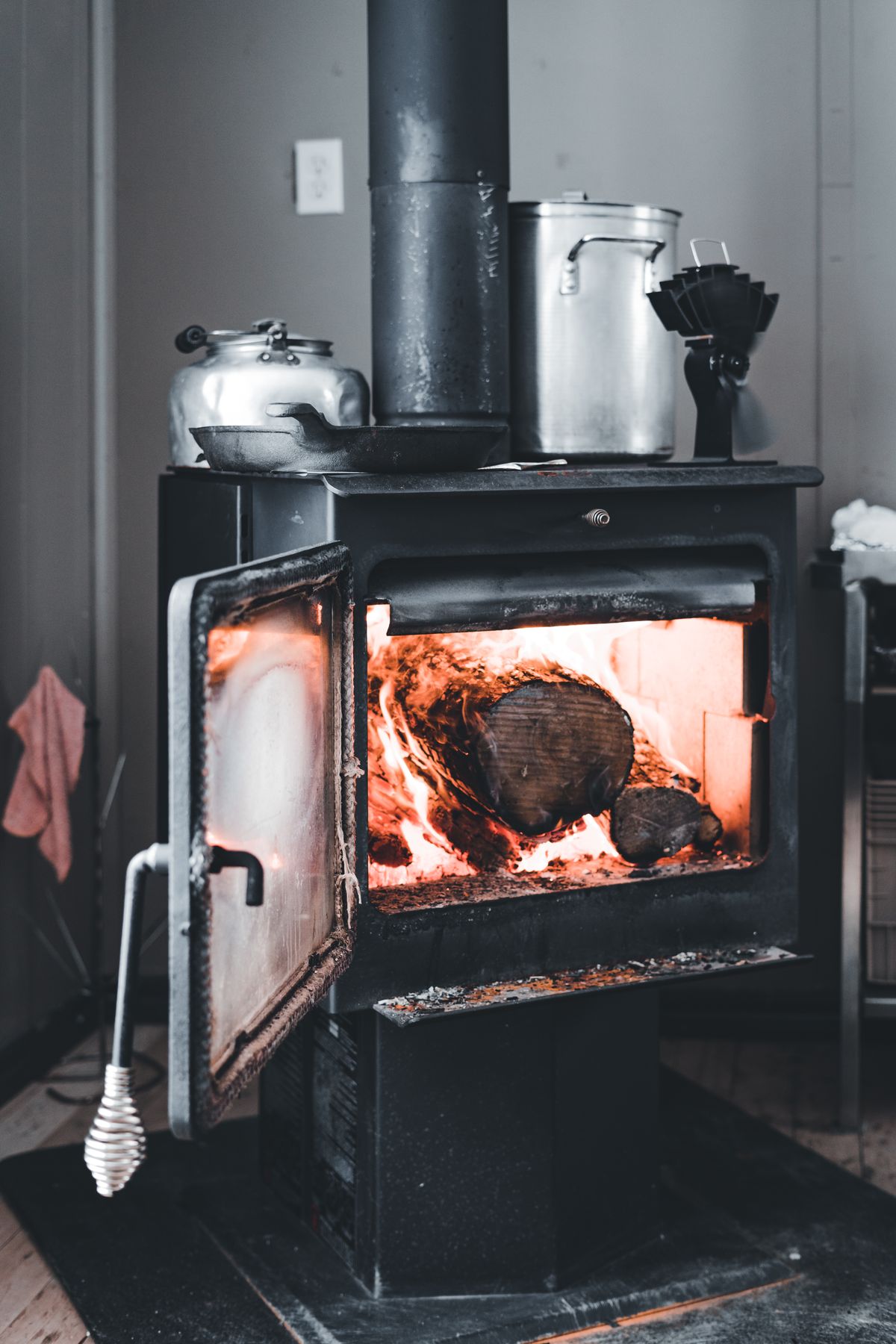
Heavy wood-stove use is the exception — in the wrong direction. A stove running as primary heat from October to April can lay down enough creosote to justify a mid-season sweep, especially if it spends long stretches damped down and smoldering overnight. If that sounds like your winter, our wood stove service covers exactly this.
Why the Portland metro Changes the Math
The valley gives you a long burning season. The damp chill sets in by October and hangs on into April, so a Portland fireplace or stove logs far more burn hours than the same unit would in a milder climate. More hours means more creosote, plain and simple.
The rain also works on the chimney when nothing is burning at all. Moisture soaks into brick and mortar year-round here, and inside the flue it mixes with acidic creosote to eat at liners and masonry faster than either would alone. Sweeping cannot stop the rain, but it removes the acidic half of that equation.
Valley firewood plays a part too. Wood stored through a wet winter often goes into the firebox damper than it should, and damp wood burns cool and smoky — exactly the kind of fire that deposits creosote fastest.
Signs You Are Overdue
You do not need a ladder to know something is off. Any one of these is reason to book a sweep before the next fire:
- A campfire or ashtray smell from the fireplace, strongest on rainy or humid days
- Smoke drifting into the room, or fires that are sluggish to start and slow to draw
- Black buildup you can see — flaky, crusty, or shiny — on the damper or inside the flue
- Bits of black debris dropping into the firebox
- It has simply been years, and you honestly cannot remember the last one
If more than one of those sounds familiar, hold off on burning until the flue has been looked at. A chimney inspection will tell you exactly what you are dealing with, and what you are not.
Creosote Stages, in Plain Words
Stage one is soft, dusty soot. It brushes out easily, and finding it just means the chimney is doing its job and you are sweeping on schedule.
Stage two is harder going — dry flakes and crunchy tar that take real brushing to remove. There is enough fuel in a stage-two flue to burn hot if a spark reaches it, which is why you do not want to let a season slide.
Stage three is glaze: a hardened, shiny coating like poured tar that ordinary brushing will not touch. In plain words, it is concentrated fuel lining your flue, and it is what feeds serious chimney fires. A chimney fire can crack flue tiles in minutes — the kind of damage that ends in relining rather than a cleaning.
The Best Time to Book Is Before the Rush
Late summer and early fall is the smart window. Once the first cold, wet week hits the valley, every sweep's calendar from Portland to Hillsboro fills up, and you can end up waiting weeks right when you want the fireplace most. Booking in August or September also leaves time to fix anything the sweep turns up before burning season starts.
Our chimney sweep special is $199: a full mechanical sweep of the flue, smoke chamber and firebox, with drop cloths and dust control, and a visual check included. If it has been a few years, that visual check matters as much as the brushing does.
We serve Portland, Vancouver, Beaverton, Hillsboro, Lake Oswego and the rest of the Portland metro, Sunday to Thursday. Call (503) 758-1555 or request a free estimate and get on the calendar before the rush.
FAQs
I only burn a few fires a year. Do I still need an annual sweep?
You still need the annual inspection — light use builds creosote slowly, but bird nests, moisture damage and blockages do not care how often you burn. Whether the flue actually needs sweeping that year depends on what the inspection finds. Skipping the look altogether is where people get surprised.
Do creosote sweeping logs replace a chimney sweep?
No. Those logs can dry out and loosen some deposits, but nothing leaves the flue until it is mechanically brushed and removed. Use them as a supplement if you like, never as a substitute.
I heat with a wood stove all winter. Is once a year enough?
Treat annual as the floor, not the ceiling. A stove run as primary heat, especially one damped down overnight, can build creosote fast enough to warrant a mid-season check. If the stovepipe shows heavy buildup by January, do not wait until spring.
How much does a chimney sweep cost?
Our chimney sweep special is $199, covering a full mechanical sweep of the flue, smoke chamber and firebox, with drop cloths, dust control and a visual check included. Anything the sweep turns up beyond that is priced by free written estimate before any work starts.